
Every few years someone puts together one of these lists, the ten transfers that changed everything, and every few years I read it nodding along right up until about number four, at which point I start drafting an argument in my head. BBC Sport had a go at this recently, and while there is plenty I agree with, there is also plenty worth pulling apart, because ranking football transfers is one of those exercises where everyone thinks they are being objective and nobody actually is.
Let me start with where I agree, because there is real substance here before we get to the bits I want to argue about.
Cantona at the Top Is Correct, and It Is Not Close
If you are going to crown one transfer as the most transformative in Premier League history, Eric Cantona to Manchester United has to be in the conversation, and honestly it should probably win. A club without a league title in 26 years picks up a maverick Frenchman with a suspension for kicking a ball at a referee on his record, and within a season he is inspiring the first ever Premier League title. Four championships in five years followed. That is not just a good signing, that is a signing that arguably built the platform for everything Manchester United became under Ferguson.
What I think gets slightly underplayed in these rankings is how much of a gamble that actually was at the time. United had just been rejected in a bid for Sheffield Wednesday’s David Hirst. Cantona was available essentially because his relationship with Howard Wilkinson at Leeds had collapsed. This was not a calculated superstar acquisition, it was an opportunistic move for a talented but unpredictable player, and it changed the direction of English football. There is a lesson in there somewhere about not overthinking recruitment, though nobody at any club will ever admit that publicly.
Kante Deserves to Be Higher Than Third
This is where I start disagreeing. N’Golo Kante going from Caen to Leicester for five and a half million pounds, then inspiring the most improbable title win in the division’s history, then being sold to Chelsea for nearly five times that fee and promptly winning the league again with a second club, is one of the most remarkable stories football has ever produced. I would put him above Aguero. I would seriously consider putting him above Van Persie too.
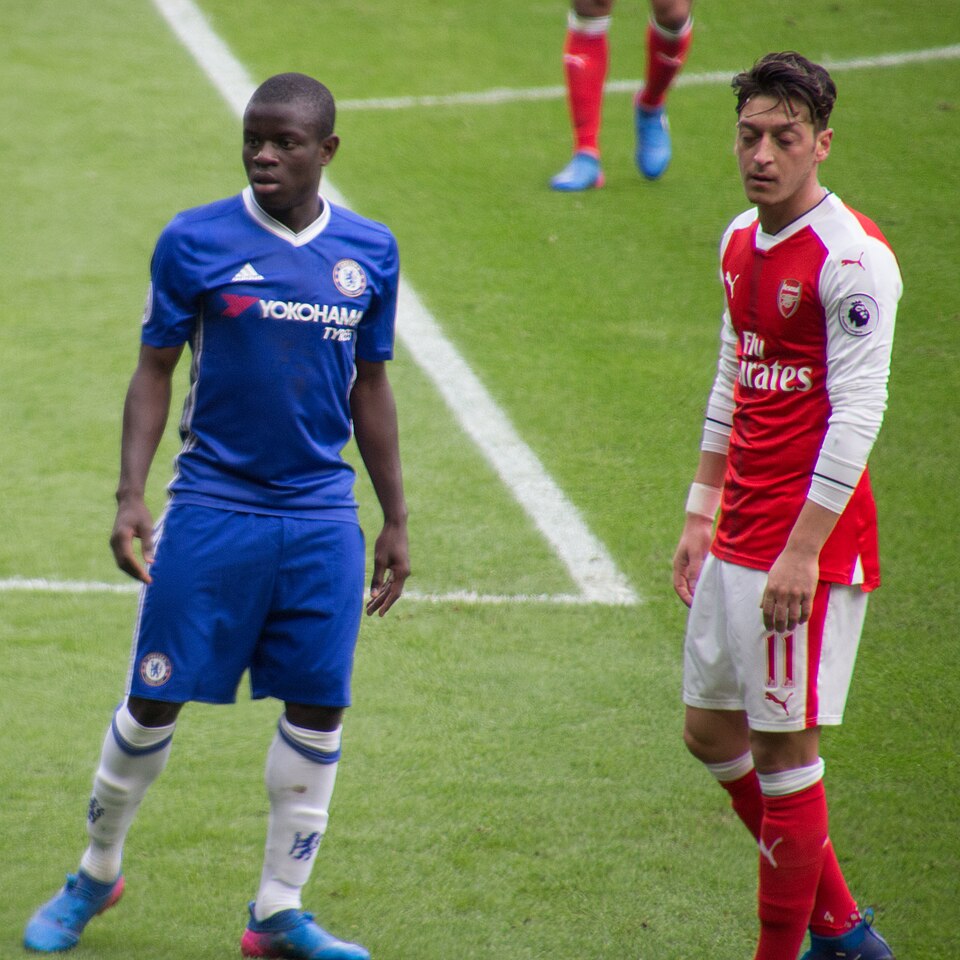
Here is my reasoning. Aguero’s title winning moment in 2012 was extraordinary theatre, genuinely one of the greatest single minutes in the sport’s history, but Manchester City were already a club spending heavily and building towards success. Kante turned up at Leicester, a club that had been fighting relegation the previous season, and became the single most important tactical component of a genuine fairytale. Then he did it again somewhere else. No player on this list, or any list like it, replicated title winning influence at two different clubs in successive seasons. That is not just game changing, that is borderline unprecedented.
Van Dijk Over Van Persie, No Argument From Me
I think the case for Virgil van Dijk over Robin van Persie is actually understated rather than overstated. Van Persie’s goals took Manchester United back to the top in Ferguson’s final season, and that matters, but it was also somewhat inevitable given the resources and history of the club at that point. Van Dijk’s arrival at Liverpool did something different. It took a talented, high scoring side that was still leaking goals and porous defensively and turned them into the most complete team in Europe within about eighteen months.
The context that gets lost is just how mediocre Liverpool’s defence had looked before he arrived. Signing a specific player and watching an entire team’s defensive identity transform that quickly is rare. Most defensive reinforcements improve a team incrementally. Van Dijk essentially fixed Liverpool’s biggest structural weakness in one transfer window. Combined with Alisson arriving that summer, it turned a very good attacking team into genuine champions within two seasons.
The One Everyone Forgets: Robinho’s Real Impact
I actually think BBC had this one right in spirit even if the framing undersells it slightly. Robinho’s time on the pitch at Manchester City was fairly unremarkable in the grand scheme of things, decent debut season, rapid decline after that. But as a symbol of what was coming, that signing is enormous.
What that transfer actually represented was the moment English football’s financial ceiling was demonstrated to have no ceiling at all. City hijacking a major transfer from Chelsea on the day of their own takeover was a statement of pure financial intent, and everything that followed, the trophies, the dominance, the way the entire market for top players in England reshaped itself around City’s spending power, traces back to that afternoon. Robinho himself was almost incidental. The message was the point.
A Few Names That Should Be in This Conversation
If I was building my own list rather than picking through someone else’s, there are a couple of names I think deserve serious consideration that tend to get left out of these countdowns.
Dennis Bergkamp arriving at Arsenal in 1995 does not always make these lists because his individual trophy haul in his early Arsenal years was modest, but the tactical and cultural shift he brought to English football, teaching a generation of defenders and forwards alike what continental technical quality actually looked like, arguably paved the way for the Invincibles side that followed a few years later. Without Bergkamp normalising that level of technique and intelligence at Highbury, does Wenger’s eventual masterpiece even happen in the way it did.
Ruud van Nistelrooy at Manchester United in 2001 is another one that gets overlooked because his United career eventually ended on slightly sour terms, but in pure footballing terms his arrival gave Ferguson’s side a ruthless penalty box predator they had genuinely lacked, and the goal output in his first four seasons was extraordinary by any standard.
Why This Kind of List Always Ends Up Being a Fight
Here is the thing about ranking transfers like this. Football supporters, myself very much included, do not actually experience these signings as data points on a spreadsheet. We experience them as moments. I remember exactly where I was watching various Palace signings over the years that promised the world and delivered considerably less, and I remember the handful that actually worked and changed how a specific season felt. Multiply that personal, emotional experience across every fan base in the country and you understand why nobody will ever agree on a definitive ranking of the most important transfers in Premier League history.
What these debates actually reveal is not really about the players themselves. It is about which stories we find compelling. Cantona at the top makes for a great narrative because it involves redemption and unpredictability. Aguero’s moment makes for great television because of the literal stoppage time drama. Kante’s story appeals because it is the ultimate underdog tale twice over. We are not really ranking football transfers when we do this. We are ranking which stories we most want to keep telling each other, dressed up as objective analysis.
That does not make the exercise pointless. If anything it makes it more interesting, because the disagreement is the actual content. A list nobody argued with would be a boring list. The fact that I have just spent the best part of a thousand words arguing with a perfectly reasonable countdown from BBC Sport tells you everything about why these pieces exist in the first place, and honestly, why I enjoy writing about them so much.