
In November 2024, Coventry City were sitting in 17th place in the Championship. Their manager had been in the job for less than a month. The football was not pretty, the results were inconsistent, and the fanbase was restless.
Eighteen months later, Frank Lampard stood on the pitch at Ewood Park barely holding back tears as Coventry City were promoted to the Premier League for the first time in 25 years.
Now ask yourself this. What happens to that story if Coventry’s board panics in January 2025? What happens if they look at the league table, listen to the noise on social media, and decide that Lampard is not the right man? What happens to the promotion, the tears, the away end going absolutely berserk in Blackburn, if someone in a boardroom reaches for the phone three months too early?
You already know the answer. None of it happens. And that is the problem with modern football in a single story.
The Numbers Do Not Lie
The average tenure of a Premier League manager has been shrinking for decades and the current numbers make uncomfortable reading for anyone who cares about the long term health of the game.
In the 1990s the average Premier League managerial tenure sat at around three years. By the 2010s it had dropped to under two. Today the reality for most managers stepping into a Premier League job is that they will be lucky to see out an eighteen month period before the pressure becomes unbearable and the board loses patience.
The 2023/24 Premier League season saw eight managerial changes during the campaign alone. Eight. In a division of twenty clubs. That means almost half the league decided mid-season that the answer to their problems was to remove the person they had trusted with their football operation and start again from scratch.
The Championship is even worse. The EFL regularly records double figure managerial changes before Christmas in any given season. Managers are being appointed and dismissed on timescales so short that they barely have time to learn the names of the players they are working with let alone implement a coherent footballing philosophy.
This is not how you build a successful football club. This is how you run one into the ground while convincing yourself you are being decisive.
Why Clubs Keep Pulling the Trigger
Understanding why this keeps happening requires looking at all the forces pushing clubs toward the sack button, because there are more of them than most people realise.
The most obvious is owner pressure. Modern football club ownership, particularly at the Premier League level, is increasingly driven by people who come from business backgrounds where underperformance is dealt with quickly and decisively. The logic of the boardroom, where a struggling executive is replaced before the damage compounds, is being applied to football management without any real understanding of why football is fundamentally different.
A football project takes time. A playing style takes time to embed. A squad takes time to be reshaped in the manager’s image. The results in month three of a new appointment tell you almost nothing about whether the manager is the right person for the job. But to an owner conditioned to expect rapid returns on investment, three months of poor results can feel like sufficient evidence to act.
Social media has made this dramatically worse. The speed and volume of fan reaction to poor results has created an environment where boards feel external pressure on a daily basis. A run of three or four bad games used to produce grumbling in the pub and letters to the club programme. Now it produces trending hashtags, petitions, and a relentless drumbeat of negativity that makes boards feel as though inaction is itself a decision that will be judged harshly.
The agent ecosystem deserves a mention too, because it is rarely discussed in this context. Managerial turnover is good for agents. Every sacking creates an opportunity. Every appointment generates fees. The people whispering in the ears of club owners about potential replacements have a financial interest in the revolving door continuing to spin. That conflict of interest sits quietly in the background of almost every managerial change in the modern game.
What Patience Actually Looks Like
The three greatest managerial success stories in modern British football share one common thread. In each case, the manager was given time that by today’s standards would be considered extraordinary, and in each case that time produced something that would have been impossible without it.
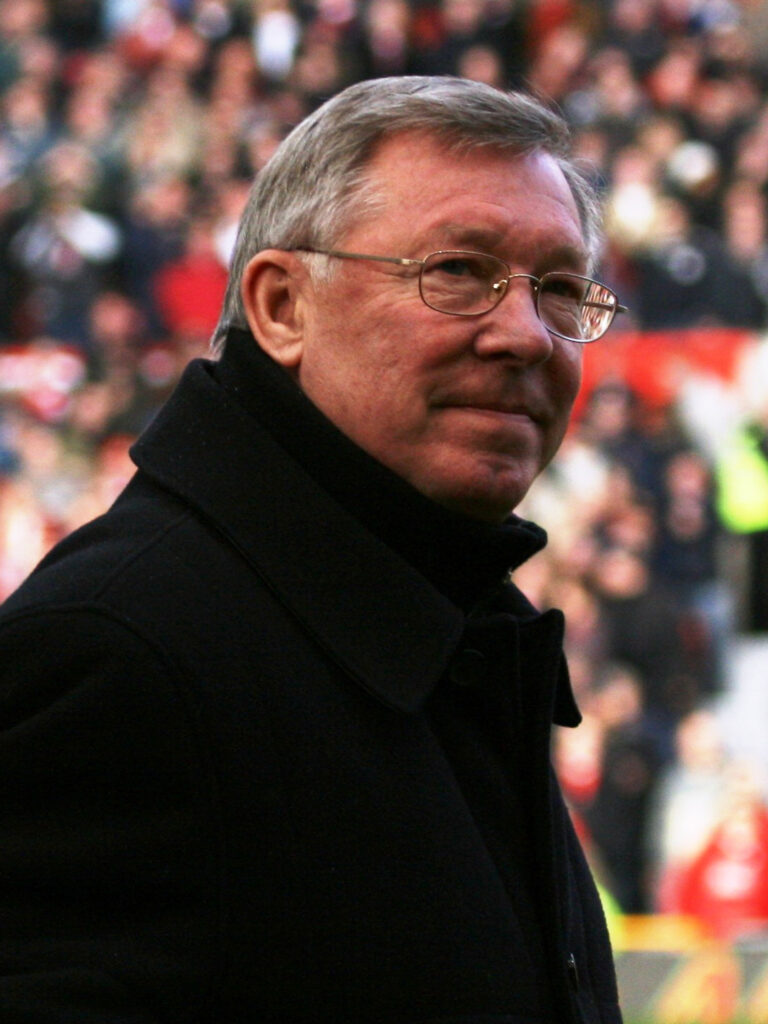
Sir Alex Ferguson arrived at Manchester United in November 1986 and spent the better part of three years building toward something that was not yet visible in the results. United finished eleventh in his first full season. There were calls for his dismissal. The pressure was real and the patience of the board was being tested in ways that would not survive thirty seconds in the modern game.
Then came the 1990 FA Cup. A third round replay against Nottingham Forest, a Wrighty goal, a run to Wembley, and a trophy that bought Ferguson the time he needed. What followed was the most successful managerial reign in English football history. Thirteen league titles. Five FA Cups. Two Champions Leagues. A dynasty that defined a generation.
Gone in 1989 under modern football’s logic. Sacked before the project ever got started.
Jurgen Klopp arrived at Liverpool in October 2015 to a club that was good but not yet ready. His first season produced a League Cup final and a Europa League final, both lost. Eighth in the Premier League. By any modern standard of impatience, sufficient reason to question whether he was the right man.
Liverpool stayed the course. What followed was a Champions League, a Premier League title, the most complete Liverpool side in thirty years, and a love affair between a manager and a club that became one of the great stories in modern football. All of it built on patience. All of it impossible without it.
Mikel Arteta’s early days at Arsenal were similarly unconvincing to the outside world. Appointed in December 2019, his first full season produced an eighth place Premier League finish. The football was improving but the results were inconsistent and the criticism was significant. In the current climate he would have been under serious pressure.
Arsenal kept faith. Three years later they were title contenders, playing some of the most attractive football in Europe, with a young squad built in Arteta’s image that is capable of competing for the biggest prizes in the game for years to come.
These are not coincidences. They are the logical outcome of giving a talented manager the time and resources to actually build something.
The Human Cost
It is easy to discuss managerial sackings in purely tactical and financial terms. Much harder to sit with the human reality of what the sack race does to people.
Football management is one of the most psychologically demanding professions in the world. The public scrutiny is relentless, the pressure is constant, and the job security is almost nonexistent at most clubs. Managers know the risks when they take the job, and most of them are robust enough personalities to handle the heat that comes with it.
But the speed at which reputations can be destroyed in modern football is genuinely troubling. A manager can spend twenty years building a career, developing a coaching philosophy, earning the respect of players and peers, and have all of it called into question by five months at a club that was never really set up for success in the first place.
The mental health consequences of that kind of professional instability are real and they are not discussed nearly enough. Several high profile managers have spoken openly about the toll that dismissal takes, not just professionally but personally. The loss of identity, the sudden disappearance of structure and purpose, the very public nature of the failure in a world where every press conference and every result is analysed and archived forever.
Football demands accountability from its managers. It always has and it always should. But accountability does not require disposability. The two things are not the same and the game has confused them badly.
The Cost of Short Term Thinking
There is a version of this argument that club owners and boards will push back on. Results matter. Owners have financial obligations. Relegation costs tens of millions of pounds and cannot be risked on sentiment. Sometimes a manager simply is not working and the longer you wait the worse it gets.
All of that is true. There are sackings that are correct and necessary. Managers who are clearly wrong for a job and whose continuation would cause more damage than their removal. Nobody is arguing for unconditional patience regardless of circumstances.
The argument is about proportion. About the difference between a considered decision made after genuine assessment of whether a project is heading in the right direction, and a panicked reaction to a run of bad results driven by social media noise and boardroom anxiety.
The clubs that win consistently over long periods are almost always the clubs that get this right. They make appointments carefully, back those appointments properly, and give their managers the time to build something real. They are not immune to sacking managers when it is genuinely necessary but they set a far higher bar for what genuinely necessary means.
The clubs that cycle through managers every eighteen months rarely build anything of lasting value. They spend heavily on backroom restructuring, lose continuity at every level of the football operation, and find themselves in the same position two years later having spent a fortune to stand still.
Pulling the trigger too early is not decisive. It is not strong leadership. It is not what the fans want even when they are calling for it loudest.
It is short term thinking dressed up as action. And it is costing clubs far more than they will ever admit.